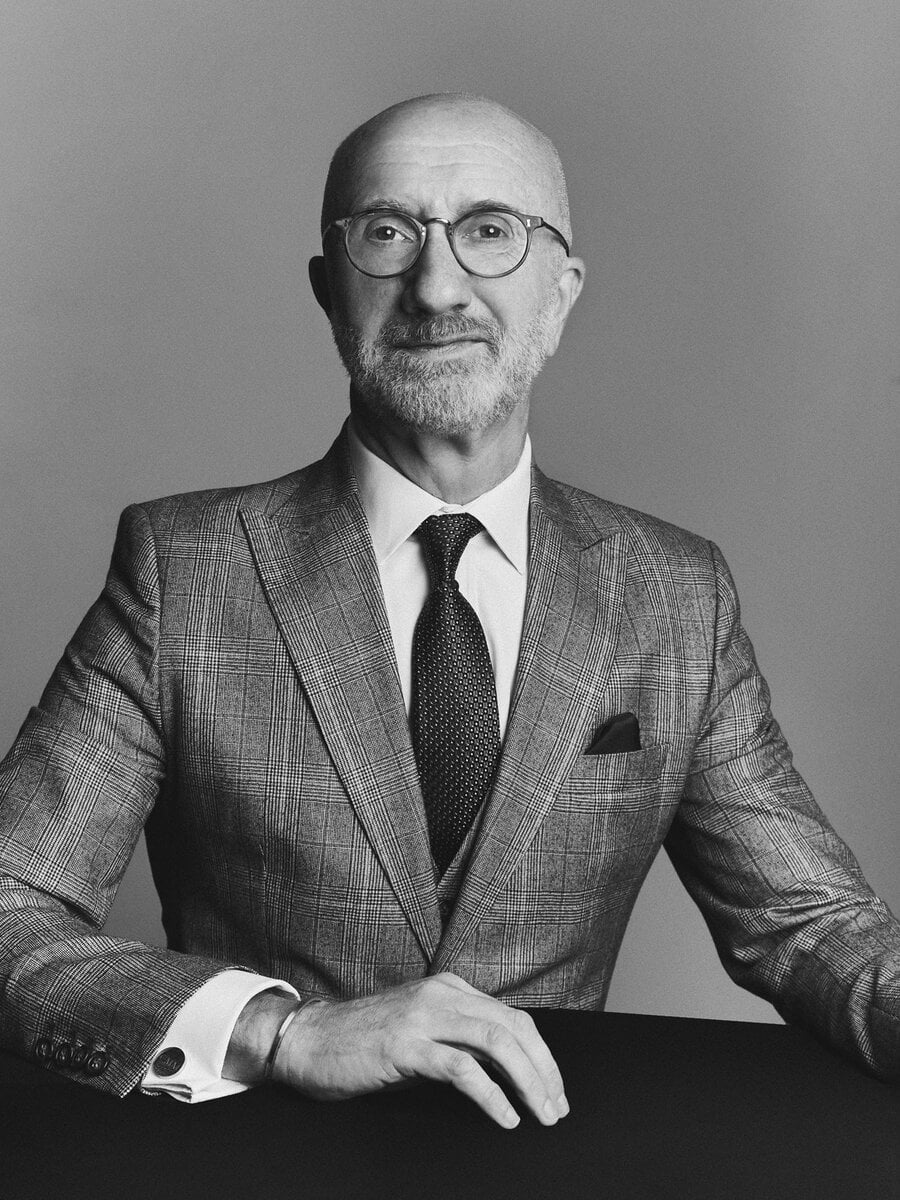
Could you tell me about your background and how that led you to teaching children?
Over the years I’ve had a wonderfully varied range of careers and occupations, and I’ve loved every one. From part-time work on a farm as a child, to civil servant, pub landlord, dancer and dance teacher, and stay-at-home dad to two wonderful children. All those different roles, it turns out, were the perfect preparation for teaching. We talk about transferable skills, but they go far deeper than any particular professional competency. Life skills, and a genuine understanding of human nature, matter far more. Coming into teaching felt like a natural progression- a concept I talk about a lot.
Tell me more about ‘Boys do Ballet’, what is it and why did you decide to incorporate it into your lessons?
That actually came from a comment made by a little boy who told me he wanted to be a ballet dancer but couldn’t, because ‘boys weren’t allowed to do that’. I was so struck that a child so young could already hold that view that I arranged for a male ballet teacher to come into the school the very next day and teach all the boys ballet. It went so well that we made it a regular part of what we offer. We also arranged for a female police officer to visit the school. I talk to children openly about how things used to be, but also about how they’ve changed, and that all children, boys and girls, have exactly the same opportunities. Breaking down stereotypes has to happen in daily visible practice.
You’ve spoken to me about the concept of ‘self-validation’ for children. Why is this important and how do you instil this in the kids you teach?
This is something I feel very strongly about. Encouraging children to validate themselves, rather than seek validation from external sources, sets them up for a much happier life. Nobody can make you truly happy unless you are happy within yourself. Other people can add to your happiness, but that core sense that you are unique, that you are special, that you have great potential and ability, has to come from inside.
With young children, I believe in learning for a purpose. Not learning in the abstract, but learning because it unlocks something real. “I can write my name, so I can sign my thank you card.” “I can read, so I can find out about the things I love.” That sense of purpose gives children ownership over their own progress. Alongside that, we use positive affirmation and meaningful praise, because the way you speak to a child about what they’ve done shapes how they speak to themselves later.
Over 22 years as a nursery teacher and headmaster, you encounter just about every situation a family can face, and you find yourself guiding parents through all of it. That builds into an enormous bank of knowledge.
“
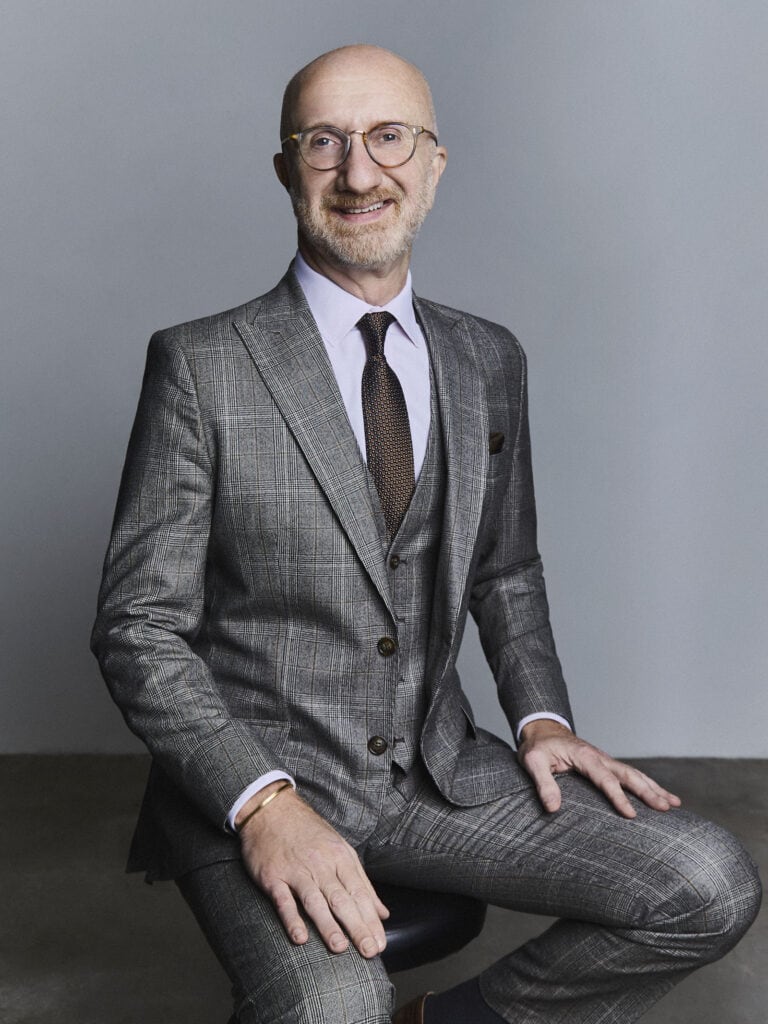
Why did you decide to become a parenting coach? Could you talk about this?
Over 22 years as a nursery teacher and headmaster, you encounter just about every situation a family can face, and you find yourself guiding parents through all of it. That builds into an enormous bank of knowledge, and I reached a point where I wanted to put it to use! I began to notice that I was giving more and more advice to parents, and that made me realise the extent of what I actually know. Parenting coaching felt like a natural extension of the work I was already doing, because when you can have a real input into how a child is being parented at home, the impact on their development is profound.
Why is parenting more challenging today than it was in the past, and what advice would you give parents bringing up children in today’s world?
The world is changing at a faster pace than we have ever seen before, and as parents we are constantly catching up. Screen time has become an enormous factor. Children’s television, for example, has shifted from calm, restricted, educational programming to something loud, colourful, overwhelming and available around the clock, and then we wonder why children behave badly after prolonged exposure to it. Add to that peer pressure and Instagram-fuelled impossible standards of what family life is supposed to look like, and the pressure on both parents and children becomes very real.
My advice would be to define your family’s own goals, values and boundaries, and hold to them. Be mindful too that your relationship with your children will change as they grow, and that is not something to fear. The boundaries that serve a five-year-old look very different from those that serve a fifteen-year-old. What stays constant is the foundation you’ve built.

The boundaries that serve a five-year-old look very different from those that serve a fifteen-year-old.
“
You mentioned that teaching adults is more challenging than children. Could you talk about this?
Children have fewer inhibitions. In many ways they are a blank canvas, open to whatever comes next. Adults, by contrast, arrive with accumulated self-doubt and a hesitation around trying new things, a fear of looking foolish that most children simply don’t have yet. I saw this clearly through years of teaching dance to adults. The technical challenge was rarely the obstacle. It was getting them to let go.
If you could pass on one piece of life advice to others, what would it be?
The Roman philosopher Seneca supposedly said that we suffer more in imagination than in reality. I wish I had understood that earlier. I would have worried far less. So much of our anxiety is rooted in how we imagine we appear to others, how we think we came across, what we assume people thought of us. The reality is almost always kinder than the story we tell ourselves.
To book a portrait or for more information, email info@laportra.com